Sustainability is no longer a side project. For Saudi industry and the global maritime sector, it is now a condition for doing business, and engineering is where it becomes real.
Two major agendas are reshaping how equipment is powered, maintained and retired: Saudi Arabia’s Vision 2030 and the International Maritime Organization’s decarbonization strategy. FTI’s green solutions are built to help operators meet both, without sacrificing performance or reliability.
Two agendas, one direction
- Saudi Vision 2030: the Kingdom is scaling up renewable energy, promoting energy efficiency and pursuing a circular carbon economy through the Saudi Green Initiative, with a long-term goal of net zero by 2060.
- IMO goals: the maritime industry has committed to net-zero greenhouse gas emissions by or around 2050, supported by efficiency measures such as EEXI and CII ratings that already apply to many vessels.
FTI’s green engineering pillars
- Repair and life extension: restoring electronics and equipment instead of scrapping them cuts waste, embodied carbon and replacement cost.
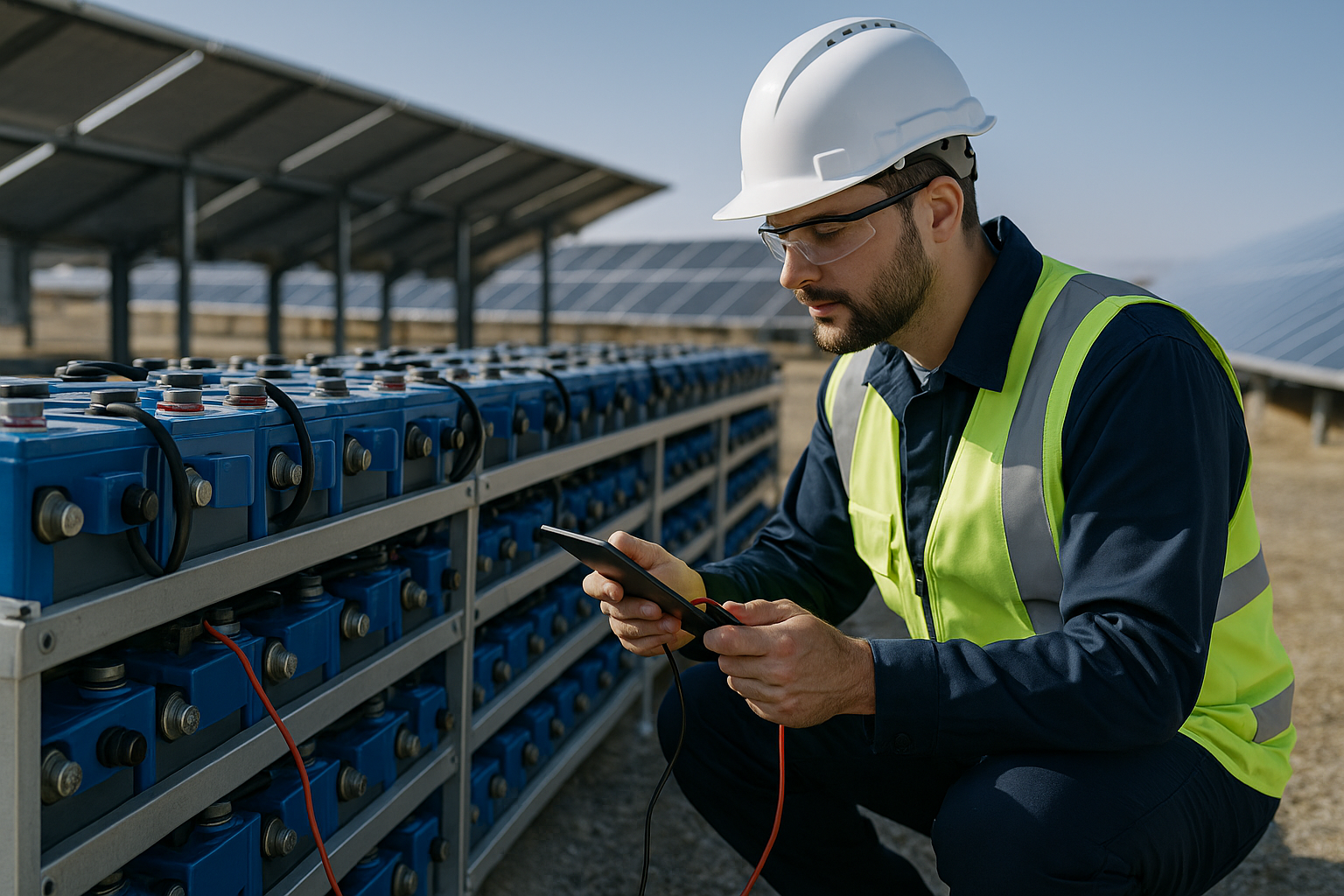
- Lithium energy storage: custom lithium packs replace heavier, less efficient lead-acid systems and pair naturally with solar and hybrid power.
- Energy-efficiency upgrades: modern drives, controls and power electronics reduce consumption in industrial and marine systems.
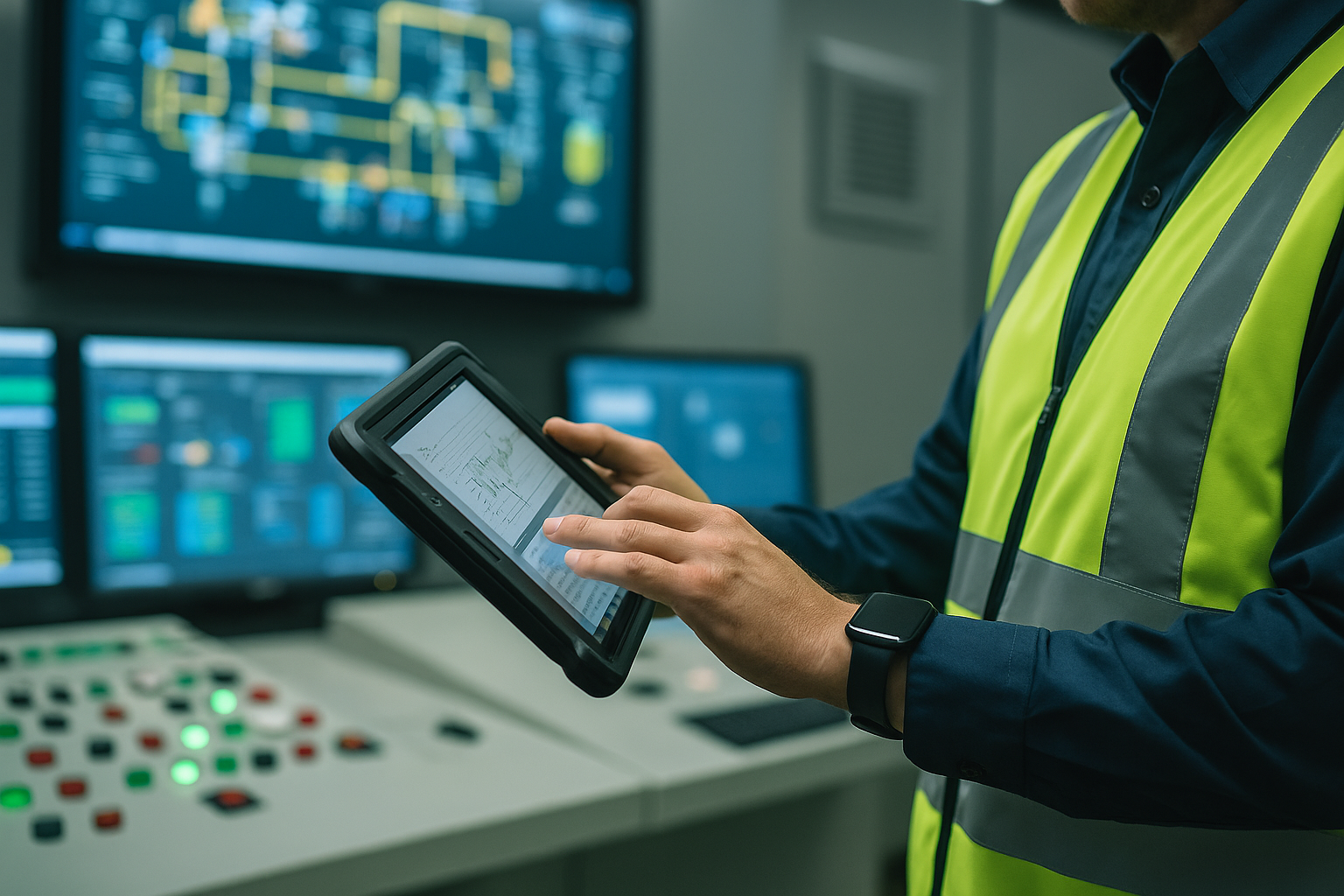
- Predictive maintenance: remote diagnostics catch faults early, preventing failures, emergency shipments and unplanned energy loss.
- Reverse engineering and local support: rebuilding parts regionally reduces imports, shipping emissions and long waits for spares.
Where the impact is felt
Industry
Lower energy use, longer equipment life and less electronic waste across plants and facilities.
Marine
Lighter, more efficient power systems and better-maintained electronics that support efficiency targets onboard.
Renewables & Off-Grid
Reliable storage that helps solar and remote installations deliver power around the clock.
Repair first, replace last
The greenest component is the one that never has to be manufactured. By diagnosing faults at component level and rebuilding boards and modules, FTI keeps working assets in service and keeps electronic waste out of landfill. The same thinking applies to batteries: reconditioning and proper end-of-life handling recover value that would otherwise be lost.
Making sustainability measurable
Good intentions need numbers. We help customers track the results of each upgrade so decisions rest on evidence:
- Energy consumption before and after efficiency upgrades.
- Equipment uptime and avoided unplanned downtime.
- Battery cycle life and storage performance.
- Parts repaired or rebuilt instead of replaced.
How to get started
- Review your assets. Identify the systems with the highest energy use, failure rate or waste.
- Engineering assessment. We recommend repair, upgrade or storage options that fit your goals.
- Implement and test. Changes are installed and validated against clear performance targets.
- Monitor and improve. Track results and keep optimizing over the asset’s life.
The bottom line: sustainability and good engineering point the same way. Efficient, repairable, well-supported systems cost less to run and move Saudi Arabia and the maritime industry closer to their targets.
← Back to all articles